PLA vs PETG vs ASA: Choosing the Right 3D Printing Material
A practical guide to choosing PLA, PETG, or ASA for everyday and functional 3D prints.
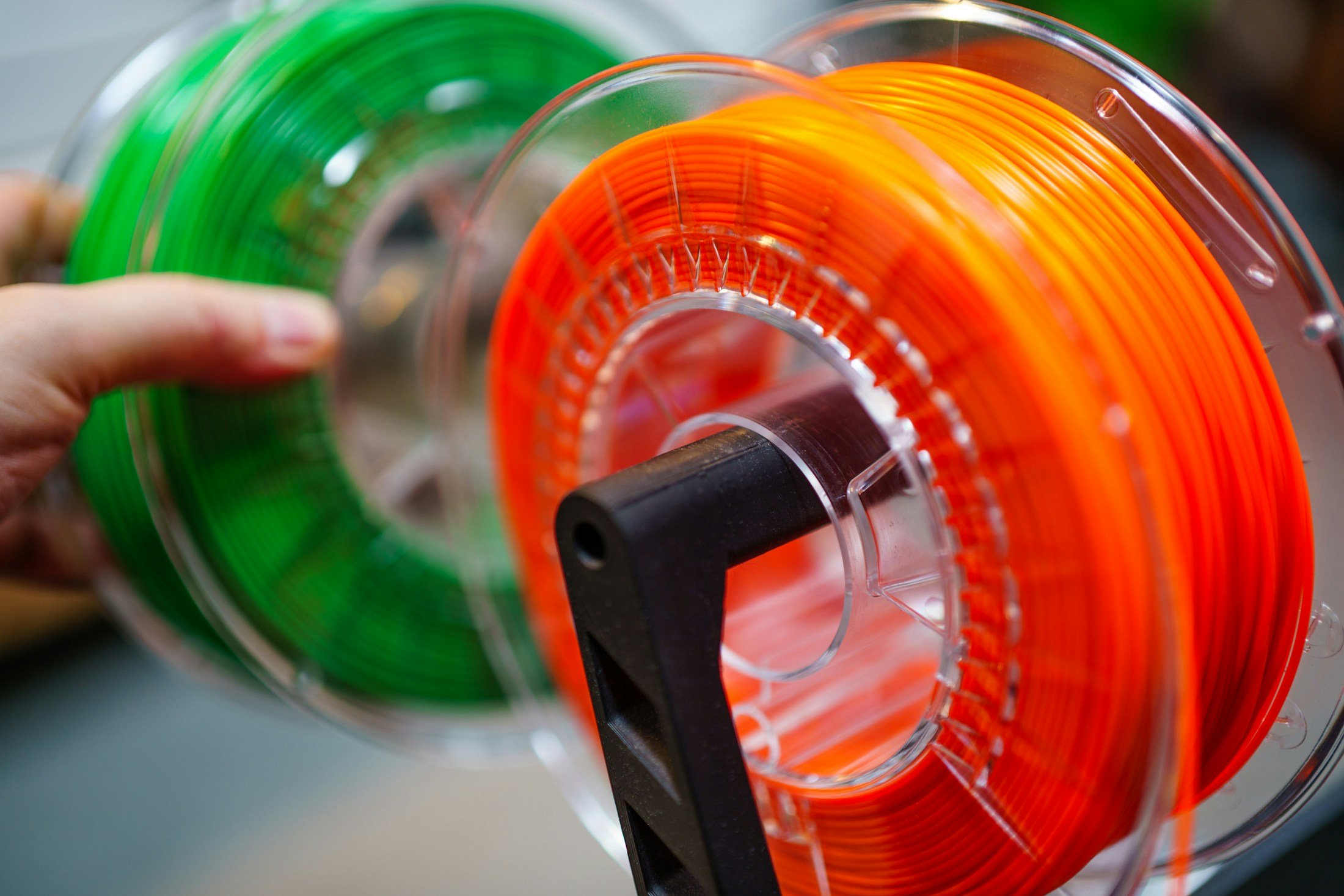
Not all 3D printing materials behave the same way. A part that looks excellent on a desk may need a completely different plastic to withstand a hot garage or outdoor exposure. At Forge Heights, material selection begins with how the finished part will actually be used.
PLA: Excellent for indoor projects
PLA is popular because it prints cleanly and can capture fine details. It’s a great fit for decor, desk organizers, signs, display pieces, and prototypes that will remain indoors. PLA is generally less suitable for hot vehicles, high temperatures, or demanding outdoor applications.
PETG: A practical all-around option
PETG offers a helpful balance of toughness, layer adhesion, and moisture resistance. We consider it for brackets, holders, shop accessories, and functional items that need a bit more resilience than typical PLA. PETG can flex before breaking, but exact behavior depends on part geometry and printing conditions.
ASA: Consider it for outdoor use
ASA is designed to offer better UV and weather resistance than many standard hobby filaments. It can be appropriate for outdoor enclosures, fixtures, and other parts exposed to sunlight. ASA requires more controlled printing conditions; dimensions, stress, and long-term loads still matter.
What about strength?
Material is only one piece of the puzzle. Wall count, layer orientation, infill, attachment points, and operating temperature can determine whether a design succeeds. A reinforced PETG bracket may outperform a poorly oriented part printed in a nominally stronger material.
Which material should you choose?
- Indoor decor and display: Start with PLA.
- General-purpose functional parts: Consider PETG.
- Outdoor use and UV exposure: Consider ASA.
- Safety-critical or heavily loaded parts: Ask for a design and application review first; desktop 3D printing may not be the right manufacturing process.
Need help deciding? Tell us about your custom 3D printing project.
Photo: Filament spools photo by Jakub Żerdzicki on Unsplash (Unsplash License)
Have a project in mind?
From one-off practical parts to small-batch production, we'd love to hear what you're working on.