Five Design Tips for Stronger Functional 3D Printed Parts
Simple design decisions that can improve strength, fit, and reliability of everyday 3D printed parts.
Functional parts are different from decorative prints. A bracket or tool holder must tolerate forces, repeated handling, and sometimes changing temperatures. Here are five design principles we consider.
1. Think about layer direction
FDM parts are built in layers. The bond between layers can be a weak point, so orienting a part to keep the greatest stresses within layers can improve performance.
2. Round sharp internal corners
Sharp corners concentrate stress. Fillets or generous transitions can reduce crack initiation in many practical designs.
3. Give fasteners enough material
Holes near edges, thin bosses, and poorly supported inserts can fail under tightening. Provide sufficient wall thickness and plan for the chosen screw or insert.
4. Use ribs rather than adding bulk everywhere
When appropriate, localized ribs can make a design stiffer without turning the entire object into a solid block. Strengthening the right area is often more effective than simply increasing infill.
5. Leave room for real-world tolerances
Printers and materials aren’t perfectly dimensionless. Interlocking components, sliding fits, and snap tabs should include tested clearance appropriate to the printer and material.
A final note about safety
A 3D print is not automatically certified for load-bearing, electrical, food-contact, or other regulated applications. Critical uses require appropriate engineering, testing, and materials.
Have an existing design that needs a better fit? Discuss your idea with Forge Heights.
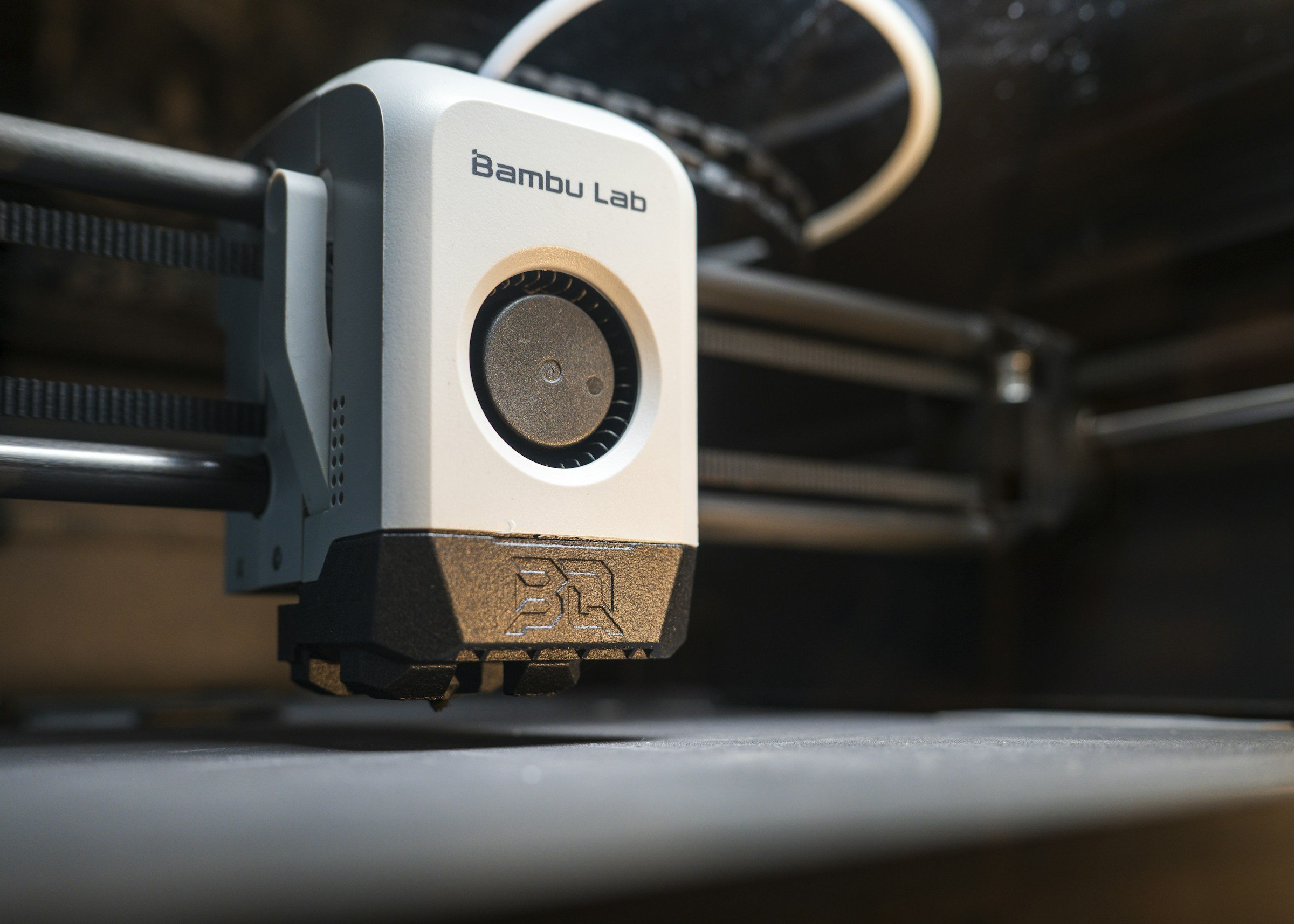
Photo: Albert Stoynov / Unsplash (Unsplash License)
Have a project in mind?
From one-off practical parts to small-batch production, we'd love to hear what you're working on.